Why 'Just Think Positive' Doesn't Work (And What To Do Instead)
C. Woodward
Author
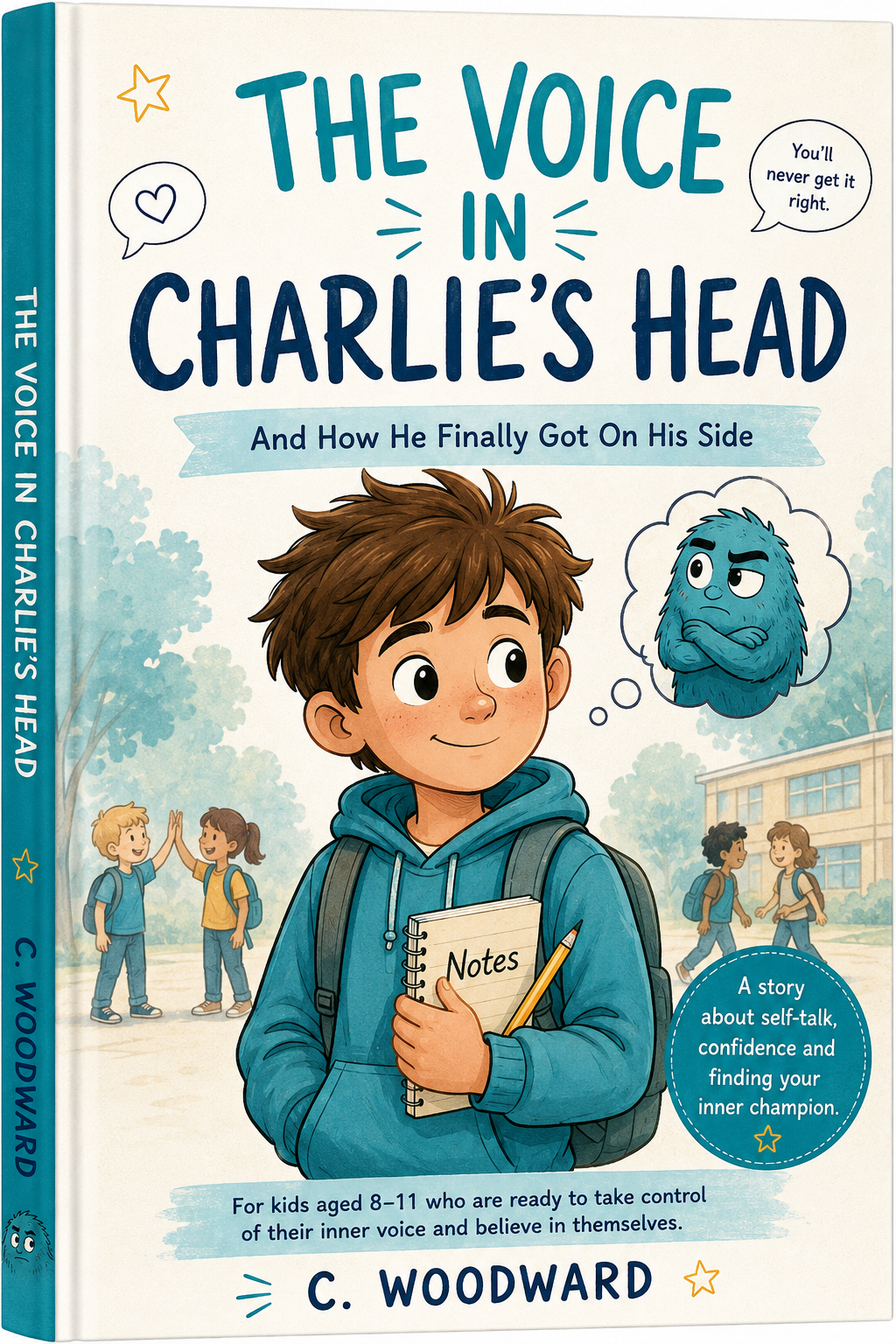
When a child is caught in a spiral of negative self-talk, our deepest instinct as parents and teachers is to pull them out of it immediately. We say things like, "Don't think like that!" or "You're great, just think positive!"
But if you've ever tried this, you probably know what happens next: the child digs their heels in deeper. Why? Because to them, the negative thought feels like an absolute truth. When we tell them to "just think positive," we accidentally send the message that we don't understand how hard things feel for them right now.
The Problem with Toxic Positivity for Kids
Skipping straight to positivity skips the most important step of emotional regulation: validation. When The Commentator (that negative inner voice) is yelling in a child's mind, a positive affirmation feels like putting a tiny band-aid on a massive wound. It doesn't stick.
The Alternative: The "Check It" Method
Instead of forcing a positive thought, we need to teach kids how to become detectives of their own minds. This is where the second step of Charlie's toolkit comes in: Check It.
When your child says, "I'm going to fail this test," try this approach instead:
- Validate the feeling, not the fact: "It sounds like you're feeling really overwhelmed about this test. That makes sense, tests can be stressful."
- Ask for evidence: "Let's Check It. What evidence do we have that you'll fail? What evidence do we have that you might do okay? Have you ever passed a test before?"
- Shift to neutral, not positive: Instead of jumping to "You're going to get an A!", help them find a neutral, believable thought. "I have studied, and I will try my best."
By teaching kids to "Check It" rather than just "think positive," we give them a tool they can actually use when anxiety hits. We teach them that they don't have to believe everything they think.